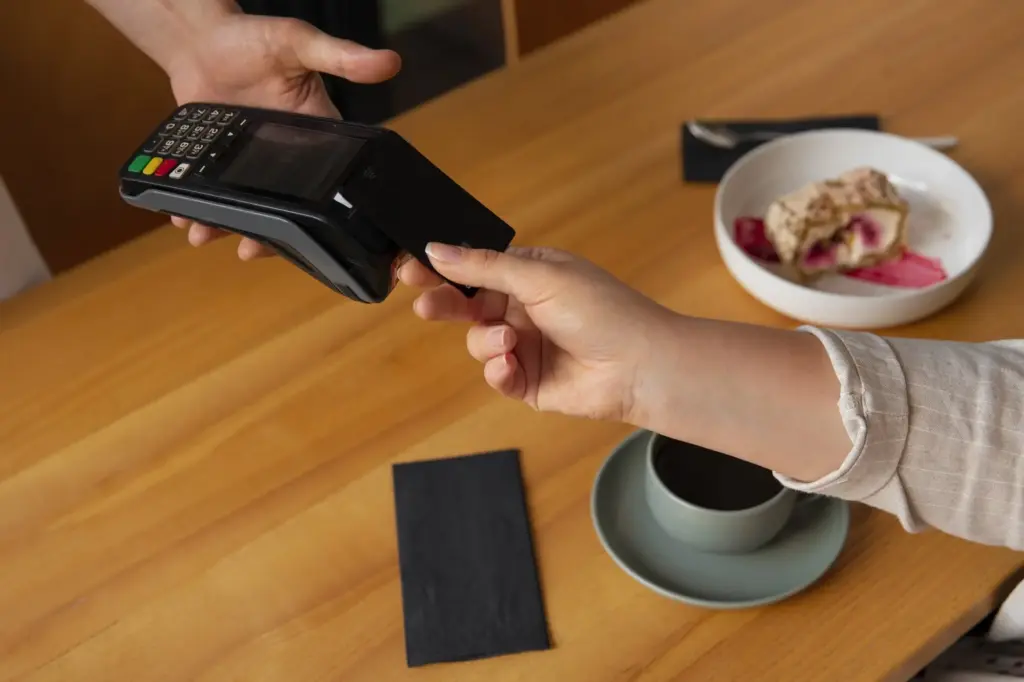




The student and the latte
Jasmin linked coffee purchases to an extra fifty-cent boost on top of normal round-ups, then capped daily transfers to protect her budget. In three months, she saved enough for textbooks without feeling deprived, because the rule rewarded a habit she already enjoyed while quietly funding necessities.

Parents planning a summer escape
Two teachers combined payday skims with a weekend-only accelerator that doubled round-ups on Saturdays. They named the bucket after their destination, watched the tally grow, and involved their kids by sharing milestones at dinner. Booking day felt easy, because the money was already waiting and emotionally earmarked.

A freelancer tames volatility
Amir routed ten percent of each deposit into a buffer until it covered one month of expenses, then shifted to five percent plus aggressive round-ups. On thin weeks, a balance floor paused transfers automatically. That mix kept bills safe, savings steady, and stress low during unpredictable project cycles.